Comparing Competitor Research and Automated Market Gap Detection
When a business looks for new opportunities, two common approaches often come up: studying what competitors do and using automated tools to find gaps in the market. Both have their strengths, but they serve different purposes and work best in different situations. Understanding the difference between competitor research and automated market gap detection can help you decide which method suits your current goals.
Competitor research is a manual, hands-on process. It involves looking at what other businesses in your space are offering, how they price their products, what customers say about them, and where they show up in search results. This approach gives you a clear picture of who you are up against and what seems to work for them. But it has limits. It relies on what is already visible, and it can be time-consuming to gather and interpret all that data.
Automated market gap detection, on the other hand, uses software to scan large amounts of data and identify areas where customer needs are not being met. Instead of focusing on what competitors are doing, it looks at what is missing from the market. This can include things like service gaps, pricing signals, and patterns in customer reviews. The goal is to find unmet demand before competitors do. For a business that wants to grow across multiple locations, this kind of analysis can be especially useful. Tools like those offered by webrankdigital.com help businesses spot these opportunities quickly, without spending weeks on manual research.
Both methods have their place. Competitor research is great for understanding the landscape you already operate in. It helps you see where your competitors are strong and where they might be weak. You can learn from their successes and avoid their mistakes. But it can also lead to a reactive mindset. If you only copy what others are doing, you may miss chances to innovate or serve customers in a way no one else has thought of.
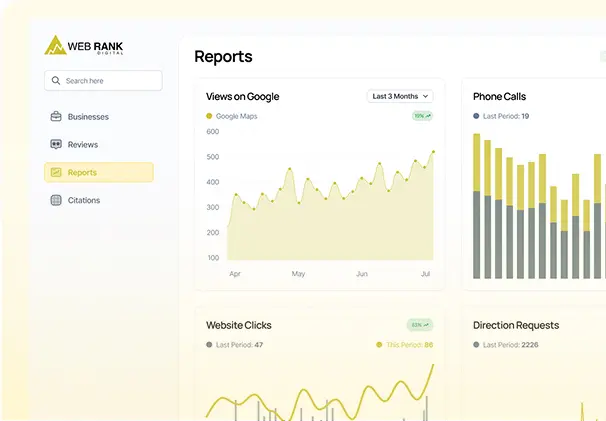
Automated market gap detection takes a broader view. It scans signals from many sources, including search visibility, customer reviews, and competitive benchmarks. It can reveal trends that would be hard to spot by hand. For example, it might show that customers in a certain area are searching for a service that few local competitors offer. That is a clear opportunity. The software can also track changes over time, so you see when a gap is growing or shrinking.
One important difference is the time and effort each method requires. Competitor research often means digging through websites, reading reviews, and comparing prices manually. It can give you deep insights, but it is hard to scale. If you operate in several locations or industries, doing this for every market becomes impractical. Automated gap detection can process data from many markets at once, giving you a high-level view of where the biggest opportunities lie.
However, automated tools are not a replacement for human judgment. They can tell you where a gap exists, but they cannot tell you why it exists or whether your business is the right one to fill it. That requires understanding your own strengths and weaknesses, as well as the specific needs of the customers in that market. Sometimes the data says a gap is there, but the reason is something you cannot fix, like a regulatory barrier or a logistical challenge.
Another consideration is the type of gap you are looking for. Competitor research is good for finding gaps in positioning. For instance, if all your competitors focus on low prices, you might find an opportunity in offering premium service. Automated gap detection is better for finding gaps in demand. It can show you where people are searching for something and not finding it. Both types of gaps are valuable, but they call for different strategies.
Pricing signals are a good example of where automated detection shines. If customers in a region consistently mention price in their reviews of local services, that might indicate a gap between what people are willing to pay and what is being charged. A human researcher might notice this after reading dozens of reviews, but software can flag it instantly across thousands of reviews. Similarly, patterns in search visibility can show which keywords are being used by potential customers but not well served by current results.
Customer reviews themselves are a rich source of data for both methods. In competitor research, you read reviews to understand what people like and dislike about existing options. In automated gap detection, the software can analyze sentiment and topic frequency to highlight unmet needs. For example, if many reviews mention a missing feature or a specific complaint, that is a gap worth exploring.
Local competitors add another layer of complexity. What works in one city might not work in another. Competitor research can help you understand the competitive dynamics in each location, but it takes effort to repeat that process for every area. Automated market gap detection can compare data across locations quickly, showing you where your business might have an advantage or where it might face stiff competition.
The choice between the two approaches often comes down to your resources and your goals. If you are a small team exploring a new market for the first time, competitor research is a practical starting point. It gives you a feel for the landscape without needing a big budget. If you are a larger business looking to expand into multiple markets or to find new opportunities within existing ones, automated gap detection can save time and uncover possibilities you might miss.
It is worth noting that the two methods are not mutually exclusive. Many successful strategies combine both. You might use automated tools to identify promising gaps and then do targeted competitor research to understand the specifics of those opportunities. Or you might start with competitor research to narrow down your focus and then use automated detection to validate your assumptions at scale. The key is to use each method for what it does best.
For businesses that rely on customer acquisition software, having both capabilities in one platform can be a big advantage. Tools that combine market intelligence with competitor analysis and automated funnel tracking allow you to move from insight to action more quickly. This is where a service like webrankdigital.com fits in, offering a way to monitor both competitive moves and market gaps without juggling multiple systems.
In practice, the decision between competitor research and automated market gap detection depends on your current stage of growth and the specific questions you are trying to answer. If you need to understand why a competitor is winning in a certain market, manual research is hard to beat. If you want to find new markets to enter or new services to offer, automated detection can give you a head start. Both are valuable, and knowing when to use each one is part of building a smart growth strategy.
Ultimately, the goal is to make better decisions about where to invest your time and money. Whether you are looking at service gaps, pricing signals, or search visibility, the data you gather should lead to actions that help you serve customers better. That is the real purpose of any market analysis, whether done by hand or by software. By understanding the strengths and limits of each approach, you can choose the right tool for the job and avoid wasting effort on methods that do not fit your needs.